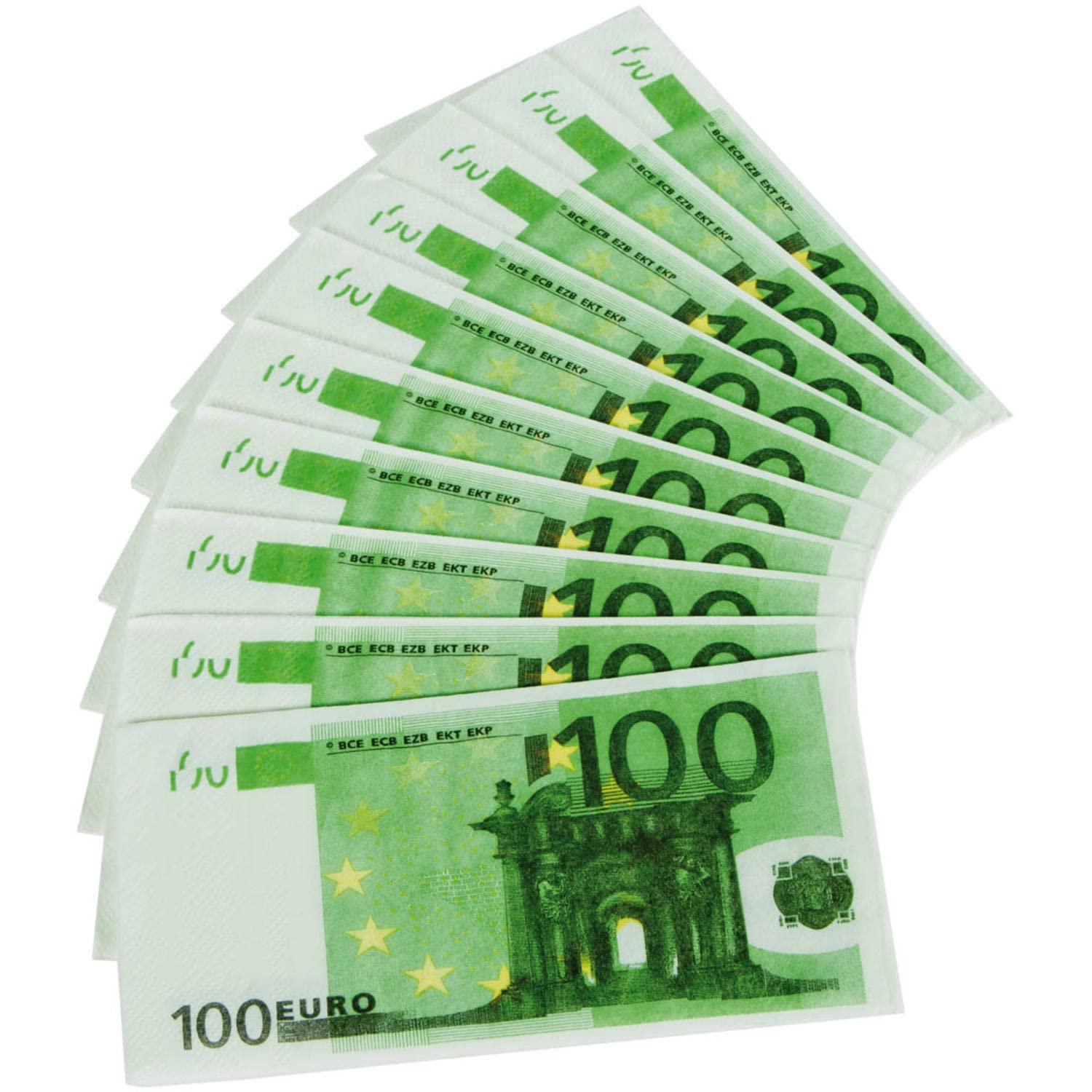
11 Creative Ways To Write About Top Counterfeit Money Websites
Top Counterfeit Money Websites: A Cautionary Overview
In the digital age, the proliferation of counterfeit money websites has emerged as a substantial issue for both police and the public. With just a couple of clicks, people can unknowingly discover themselves entangled in illegal activities, dealing with extreme repercussions. Understanding the nature of these websites, their approaches, and how to prevent ending up being a victim is crucial.
What Are Counterfeit Money Websites?
Counterfeit money websites are online platforms that offer fake currency for sale. These sites often claim to offer high-quality replicas that are apparently indistinguishable from real currency. While some visitors may think they can use these counterfeit costs as a means of easy cash, the ramifications are legally and ethically unpleasant.
Characteristics of Counterfeit Money Websites
Identifying counterfeit money websites can be challenging due to their frequently deceptive nature. However, numerous characteristics generally define them:
Unregulated Marketplaces: These websites normally run outside the realms of legal regulation and oversight, making it tough for victims to seek recourse.
Anonymous Transactions: Many of these websites focus on anonymity through cryptocurrencies or untraceable payment techniques, which even more complicates examinations.
Misleading Marketing: Counterfeit money websites often use convincing language, promising “practical” currency reproductions that you can not differentiate from authentic notes.
No Contact Information: Genuine businesses generally offer a physical address and customer care contact numbers; counterfeit websites make use of anonymity, typically lacking these necessary information.
Popular Counterfeit Money Websites
Although many counterfeit money websites reoccur, some have gained prestige for their relentless existence online. The following list highlights a couple of examples that have posed substantial threats:
- FakeBillMarket.com: This website often changes its domain name but has a history of offering counterfeit currency and providing resources to create similar items.
- CounterfeitMoneyForSale.com: As the name recommends, this website uses numerous denominations of counterfeit bills and motivates bulk purchases.
- FakeCurrencyStore.com: Said to deal with a global audience, this website intends to provide counterfeit money to any interested buyer, disguising its offering as a novelty product.
Note: Accessing or buying from these websites is prohibited and can result in serious criminal charges.
Effects of Engaging with Counterfeit Money Websites
Involvement with counterfeit money websites can cause considerable legal repercussions. The repercussions include:
Criminal Charges: Buying or utilizing counterfeit currency can result in charges of scams, forgery, or counterfeiting— serious felonies with heavy charges.
Financial Loss: Individuals may lose money not just by purchasing counterfeit bills but likewise when they try to use them, resulting in shame or even worse financial concerns.
Track record Damage: Being caught with counterfeit money can tarnish a person's credibility, affecting both personal and professional lives.
Cybersecurity Risks: Many counterfeit money websites expose users to frauds and hacking efforts, as personal info can be jeopardized.
How to Avoid Counterfeit Money Websites
To protect oneself from the dangers of counterfeit money websites, individuals must remain alert. Here are some vital ideas:
Recognize Red Flags
- Too Good to Be True Offers: If a website is using currency at a substantially lower rate than the market worth, beware.
- Poor Website Design: Legitimate companies buy professional-looking websites. Counterfeit money websites frequently have bad style and excessive grammar errors.
- Lack of Reviews: Authentic businesses will typically have online evaluations or reviews. Discover what others state about the website before engaging.
Use Safe Online Practices
- Research study: Verify the authenticity of the website through forums, online reviews, or guard dog companies.
- Avoid Peer Recommendations: Trustworthy platforms for purchases will have correct regulations; avoid ideas from friends engaging in suspicious activities.
- Report Suspicious Activity: If something feels off about a website or a deal, report it to the authorities or cybercrime systems.
Leverage Official Resources
- Use Government Websites: Familiarize yourself with resources like the U.S. Secret Service or local law enforcement firms that share details about counterfeit techniques and websites.
FAQs
1. What are the legal consequences of buying counterfeit money?
Engaging in purchasing counterfeit money can lead to criminal charges, including fines and jail time. The particular penalties depend upon the jurisdiction and the severity of the offense.
2. Are all currency replicas considered illegal?
Not all currency replicas are illegal; for instance, novelty products that are plainly marked as “illegal tender” and are produced for entertainment functions. Nevertheless, using them as real money is illegal.
3. How can I verify if a currency note is real?
Genuine currency notes incorporate numerous security features such as watermarks, security threads, and microprinting that can be checked under ultraviolet light or with a magnifying glass.
4. What should I do if I get counterfeit money?
Right away report counterfeit bills to police. Do not try to use, sell, or trade Read More In this article , as doing so can cause criminal charges.
Counterfeit money websites present considerable legal, financial, and ethical threats, putting both purchasers and sellers in peril. Awareness and care are important in navigating the internet safely, as such illegal activities can have lasting consequences. Understanding the indications of counterfeit money deals and sticking to safe online practices will assist people secure themselves and their communities from the scourge of counterfeit currency.